Material — 5 August 2026 — 5 min read
Travertine vs Marble: Choosing the Right Stone
Two stones, two temperaments. A practical guide to understanding the difference — and why the choice matters for your project.
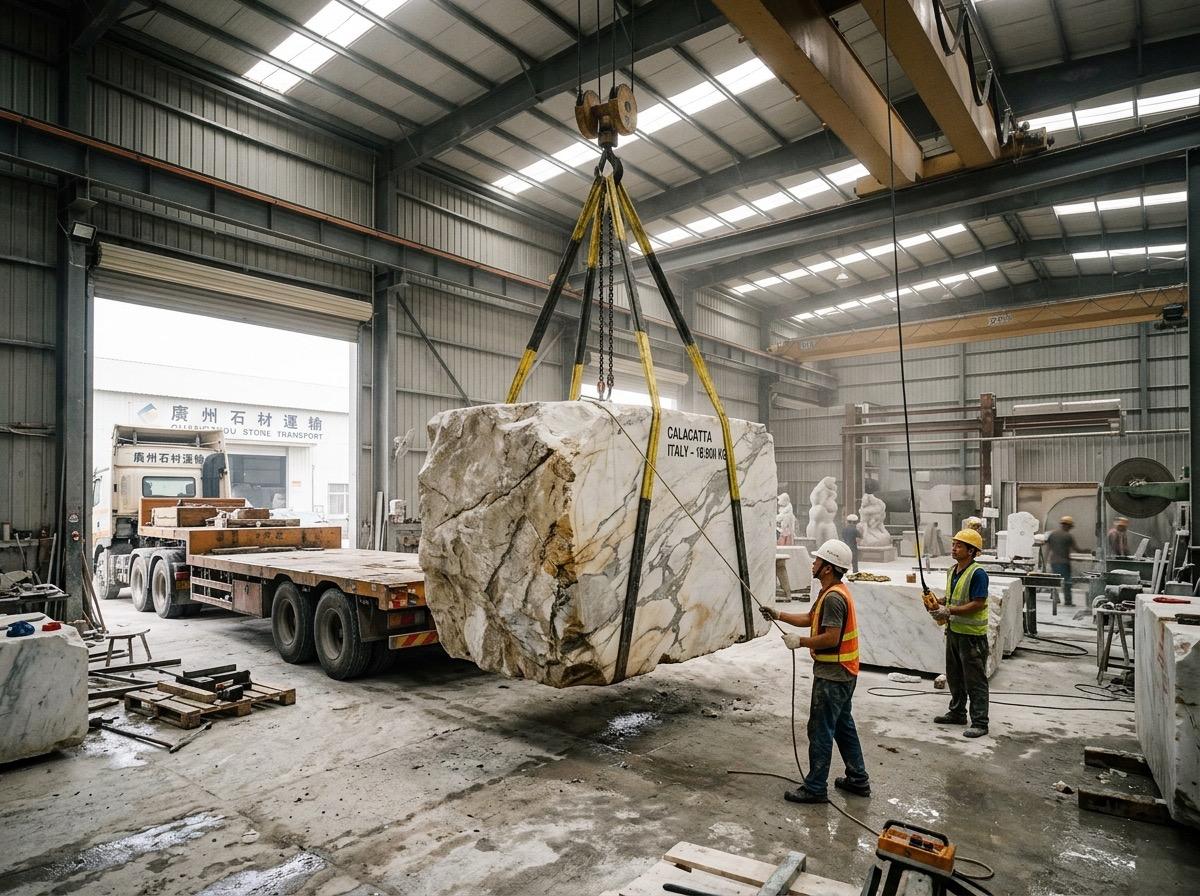
Travertine and marble are often mentioned together, yet they are profoundly different materials with distinct personalities. Understanding the difference is essential — not only for aesthetics, but for how a piece will age, feel and perform.
Travertine is a sedimentary stone formed in mineral springs, which gives it its signature porous texture. It is warm, matte and quietly ancient — the material of Roman amphitheatres and Mediterranean terraces. In contemporary interiors, travertine brings a tactile, earthy quality that pairs beautifully with minimalism. It is softer than marble, which means it wears gently over time, developing a patina that many collectors find deeply desirable.
Marble, by contrast, is metamorphic — limestone transformed by heat and pressure into a crystalline stone of extraordinary depth. Its veining is not decoration but the fossilised record of the earth's movements. Marble polishes to a mirror finish and carries light in a way travertine cannot. It is the stone of cathedrals, palaces and the world's most celebrated sculptures.
For outdoor installations, travertine's texture and thermal behaviour often make it the more forgiving choice. For interior statement pieces — a lobby sculpture, a monumental vessel — marble's luminosity is unmatched.
Neither stone is 'better'. The question is which temperament suits your space. A serene spa retreat may call for the softness of travertine; a grand entrance hall may demand the drama of Nero Marquina. This is why we never recommend a material before understanding the project — the stone should always follow the story.
In our studio, we keep both materials in constant rotation, and some of our most interesting commissions combine the two. The dialogue between porous warmth and crystalline depth creates a tension that is, in itself, a design statement.
Commission
Considering a bespoke commission?
We would be honoured to discuss your project.
Begin a conversation